

Polystyrene Compaction Machines for Irish Businesses
Polystyrene and aeroboard packaging weigh next to nothing, yet they cram a skip in no time. A Mil-tek machine shrinks EPS at a ratio of up to 40:1, leaving firm blocks that are simple to stack, store, ship and send for recycling.
Unsure which machine fits? Ask our experts or get a tailored quote
Matching the machine to your polystyrene workload
Your weekly foam volume and the processing speed you need will point you to the best fit:
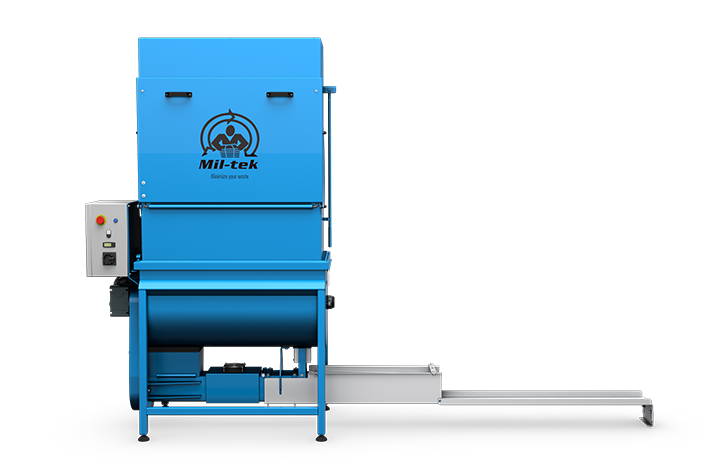
EPS1000
- Shrinks foam by up to 40:1
- Handles up to 15 kg every hour
- Made for light to medium workloads
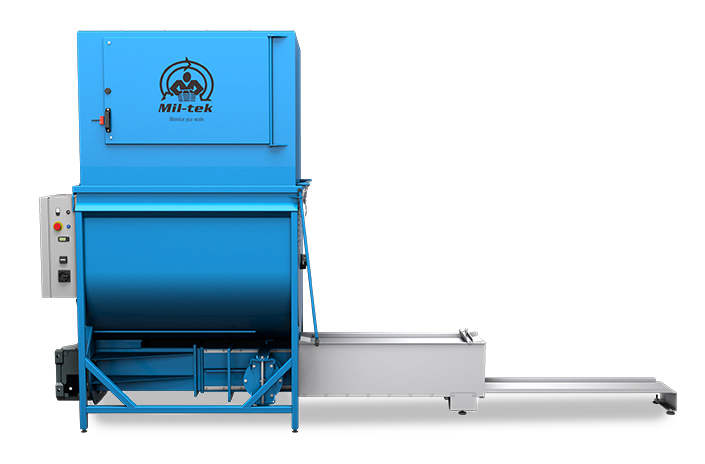
EPS2000
- Shrinks foam by up to 40:1
- Handles up to 70 kg every hour
- Made for heavy, ongoing workloads
What polystyrene compaction does for your business
Foam takes up to 40 times less room, freeing space for stock and day-to-day work
Fewer skip lifts and lower handling bills
Walkways and loading bays stay clear of stray aeroboard, keeping the site safer
Compacted blocks can potentially be sold, turning a waste cost into a possible income stream
Polystyrene is prepped for recycling, helping to cut your environmental impact
Talk to people who know waste handling inside out
Why aeroboard isn't the recycling problem it seems
Polystyrene often ends up in general waste on the assumption that it can't be recycled.
The real stumbling block is practical: it's light, takes up a huge amount of room and costs
a fortune to store and move. Mil-tek compaction tackles this at source, converting loose EPS
into a compact material that's easy to handle.
Sending polystyrene for recycling rather than to landfill cuts pollution and gives the material a second life as a saleable raw material. Processed properly, EPS can be recycled in its entirety.
Whatever your foam volumes, there's Mil-tek EPS equipment to help lighten your environmental load.
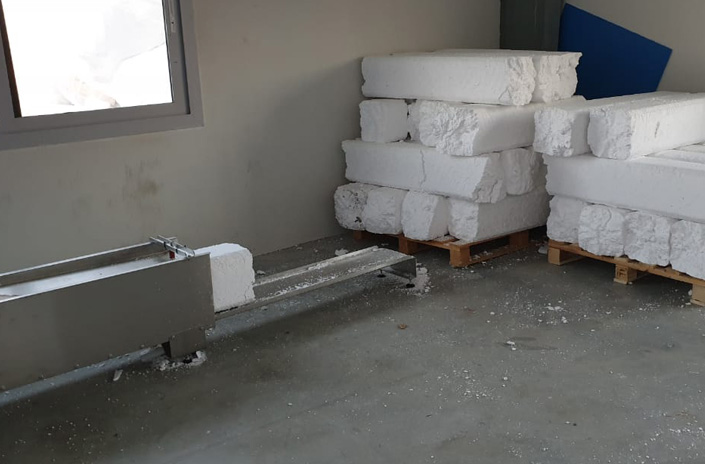
Loose foam vs compacted foam
Loose: Untreated polystyrene clogs up skips, eats into floor space and drives up haulage costs, since each load is mostly empty space.
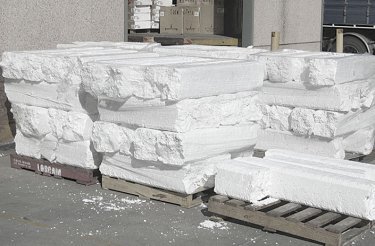
Compacted: A polystyrene densifier presses the foam into heavy blocks that store compactly, stack securely and load onto pallets with ease, so collections and recycling run far more smoothly.
Life after compaction
- Blocks wait on site for collection or travel back on returning delivery vehicles
- As the material is consistent and tidy, recyclers can process it with far less effort
- Recycling partners frequently take compacted EPS, and depending on demand in your area and how clean it is, it may even be sold
The difference it makes
With storage used more efficiently and fewer loads leaving your premises, polystyrene compaction helps you:
- Divert waste away from landfill
- Run a safer, better-organised site
- Hit sustainability targets through more viable recycling and lower haulage emissions
What happens inside a polystyrene compactor
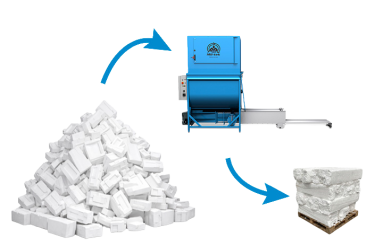
- First, the polystyrene goes into the hopper
- Next, the foam is processed and the trapped air is driven out
- Then, the EPS is densified into blocks that stack neatly
- Finally, the blocks are stored or palletised, ready for transport or recycling
Aeroboard, EPS, airpop or expanded polystyrene: call it what you like, and a Mil-tek machine will process it. The whole cycle runs automatically.
The foam is broken down, then heat and pressure form it into solid blocks or briquettes. The result is far simpler to store and haul, and it can be sold on to be recycled into new plastic goods.
Free installation and easy support
Where your machine sits and how it’s configured have a big say in how well it performs. A Mil-tek technician fits the unit at your premises and helps you pick a spot that works with your existing routines, so foam is processed steadily without causing clutter or holdups. Polystyrene stays in one contained area, and gathering and palletising the finished blocks for haulage, recycling or onward processing becomes straightforward.
Once it’s up and running, you’re not left on your own. Mil-tek provides practical help along with continued assistance whenever it’s called for, so your equipment keeps working safely and dependably.
Payment options to suit you
Rent your compaction machine
Flexibility, with a service plan built into the price.
Own your compaction machine
Full ownership and the strongest long-term return.
Your polystyrene compaction questions answered
-
Loose EPS and polystyrene waste is mostly trapped air. A densifier squeezes that air out and turns the foam into dense, recyclable blocks. Cutting the volume by as much as 40:1 means far less storage space is taken up and fewer collections need to be booked.
-
It is. Aeroboard, airpop, expanded polystyrene (EPS) and polystyrene all describe one lightweight plastic, typically marked with recycling symbol 6 (PS). You'll find it protecting goods such as food, fish, electronics, appliances and furniture while they're stored or in transit.
-
A polystyrene recycling machine frequently achieves a ratio of 40:1, so forty skips' worth of loose foam can fit into the space of one.
-
Look at how much polystyrene waste your business generates. Both EPS recycling machines operate in the same way, and the volume they're built to handle is the only thing that sets them apart.
-
There is. A number of recycling companies around Ireland collect compacted EPS and polystyrene and make sure it's recycled. Depending on how clean your blocks are, some may even pay you for them.
-
Yes. Installation comes as standard whether you buy or rent a polystyrene compactor from Mil-tek. A technician calls out to your site, installs the machine and checks it's running properly and ready for use, then gives your team thorough hands-on training so they can operate it with confidence.
Want to know more?
Give us a shout today, and we’ll show you how Mil-tek can make waste handling easier for your business while cutting the time, space and money it eats up.